

Permanent vs Temporary Electric Fencing for Livestock Farms in the UK
Introduction
Choosing between permanent and temporary electric fencing is not simply a question of price. The right system depends on what you need the fence to do, how often your field layout changes, which animals you keep, and how much maintenance you can realistically manage. For many UK farms, the most practical answer is a combination: a dependable boundary fence supported by temporary electric divisions where flexibility matters. Here is how to decide what works for your land and livestock.
1. What Is the Difference Between Permanent and Temporary Electric Fencing?
A permanent electric fence is designed to stay in one place for years. It normally uses stronger end and corner assemblies, durable line posts, suitable insulators, and conductors selected for the length and conditions of the fence. It is often used around field boundaries, farm perimeters, lanes, or areas where livestock must be contained consistently.
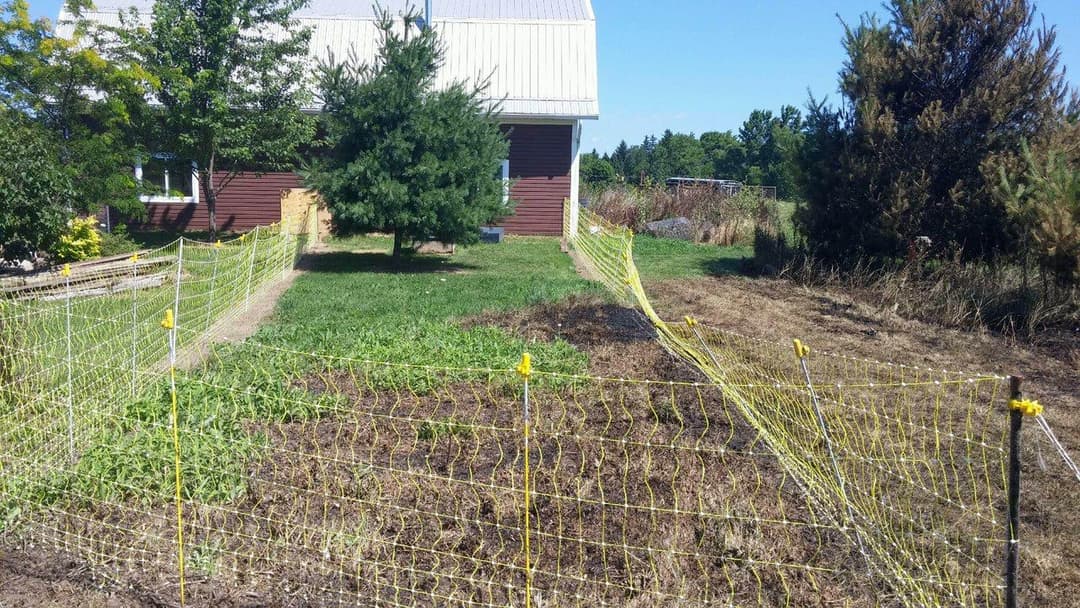
A temporary electric fence is built to move. It may use step-in plastic or fiberglass posts with polywire, polyrope, or polytape. Reels and gate handles make it easier to divide a field, create a short-term enclosure, or change grazing areas as conditions change.
The key distinction is not that one is always stronger or better. It is that each is designed for a different job.
2. When Does Permanent Fencing Make More Sense?
Permanent fencing is usually the better choice when the boundary needs to remain in place and perform reliably through changing weather and regular livestock pressure.
Consider it for:
- External field boundaries: especially where a fence separates livestock from roads, neighbouring land, or areas where escape would create a serious risk.
- Long-term paddock boundaries: where the layout rarely changes and a robust structure is worth the installation effort.
- Fixed lanes and gateways: where animals pass repeatedly and the fence receives regular contact.
- High-pressure areas: corners, changes in direction, and places where conductors need reliable tension and support.
Permanent systems need careful planning at the beginning. End and corner posts carry more strain than ordinary line posts, so they should be designed for the conductor and terrain rather than treated as ordinary supports. Check local ground conditions, access for installation, and the way water, gates, and machinery move through the farm.
3. When Is Temporary Fencing the Better Choice?
Temporary fencing is useful when the fence line needs to change with the job. A livestock farmer using rotational grazing, for example, may move a cross-fence regularly to give one area time to recover while animals graze another.
Temporary fencing can also help with:
- Creating short-term grazing breaks within a larger field.
- Separating groups of animals when their management needs differ.
- Protecting a newly seeded or recovering area from livestock access.
- Setting up a temporary work area or controlled access zone.
- Making seasonal changes without rebuilding the main boundary.
The main advantage is speed and flexibility. The trade-off is that portable posts and lightweight conductors still need regular checks. They may be less suitable as the only barrier where animal pressure is high or where a fence failure would have serious consequences.
4. Which System Suits Different Livestock?
The species matters, but so do temperament, training, stocking pressure, and the purpose of the fence.
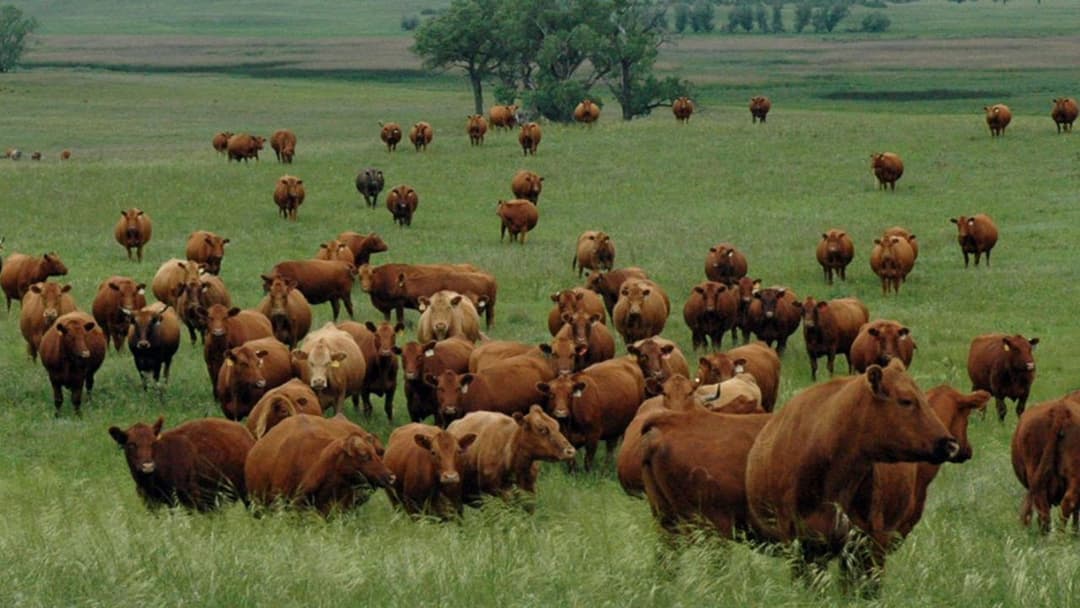
Cattle: A permanent boundary can provide a stable framework, while temporary polywire divisions can support rotational grazing. Make sure animals are introduced to the electric fence appropriately and that the line remains visible and energised.
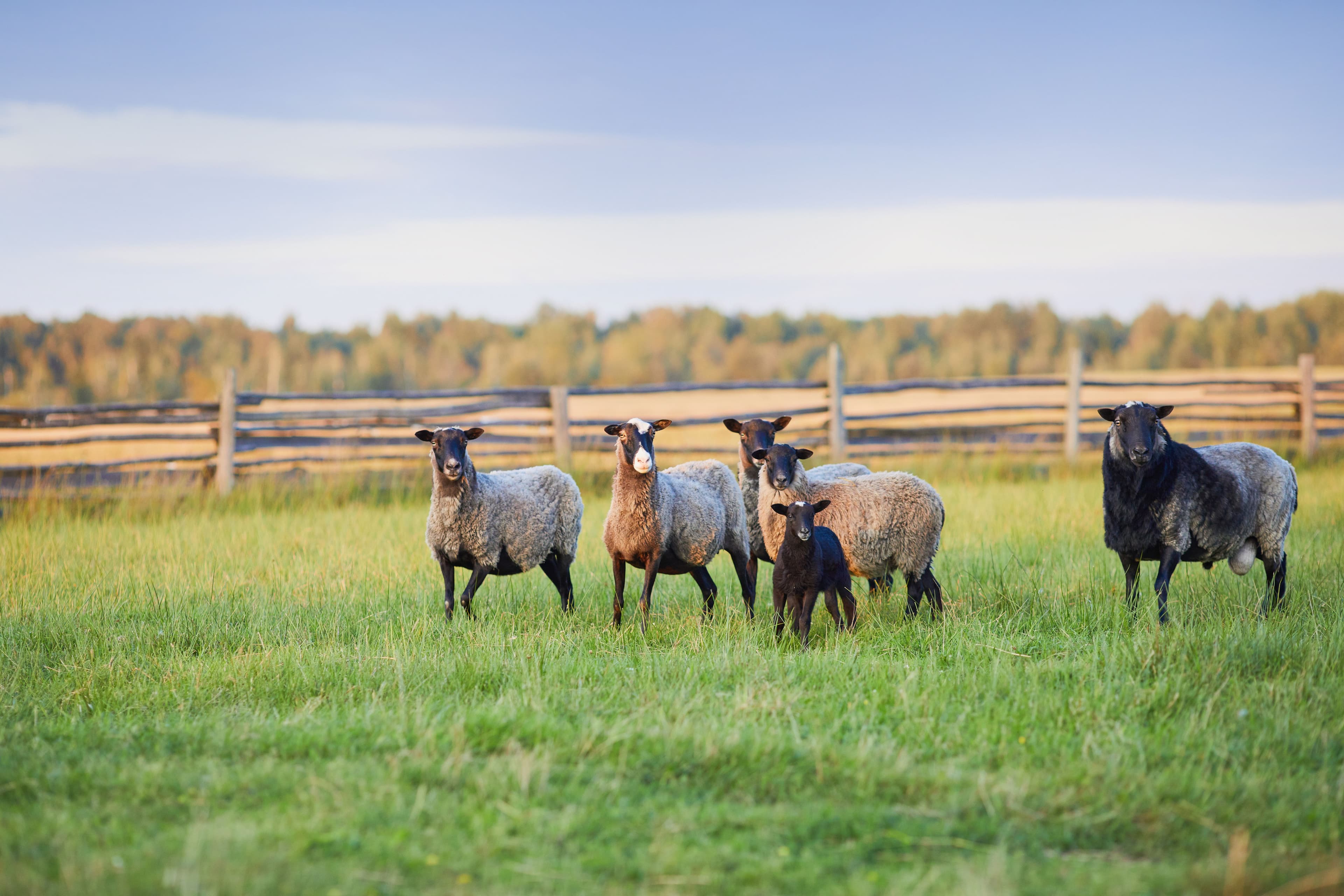
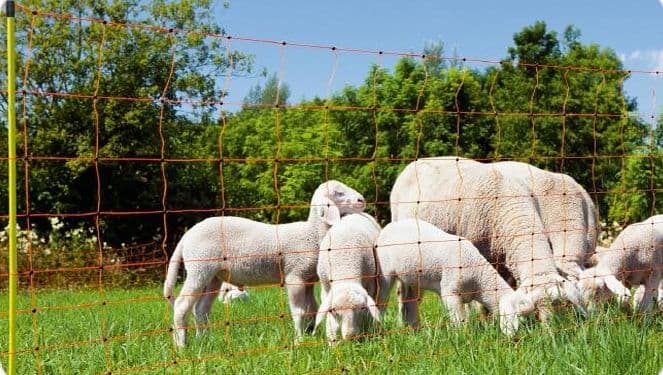
Sheep and goats: Pay close attention to the lower part of the fence and the animals' tendency to test gaps. Multi-strand permanent fencing or suitable electric netting may be more appropriate in some situations than a single temporary line. Choose a system for the specific animals and terrain rather than assuming one layout will work for every flock.
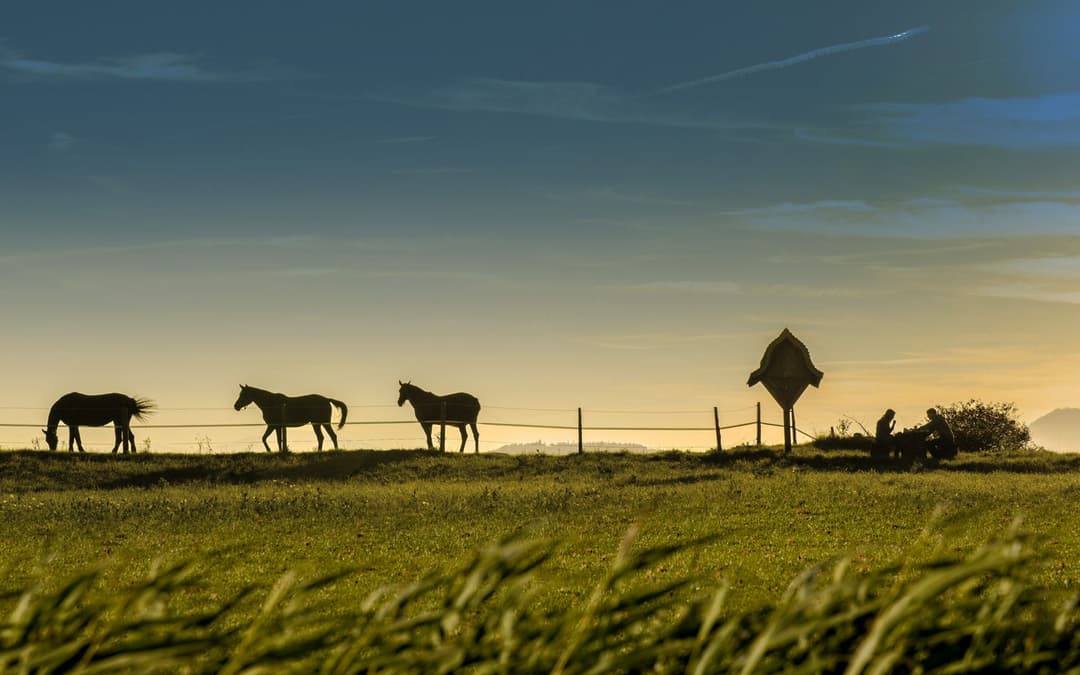
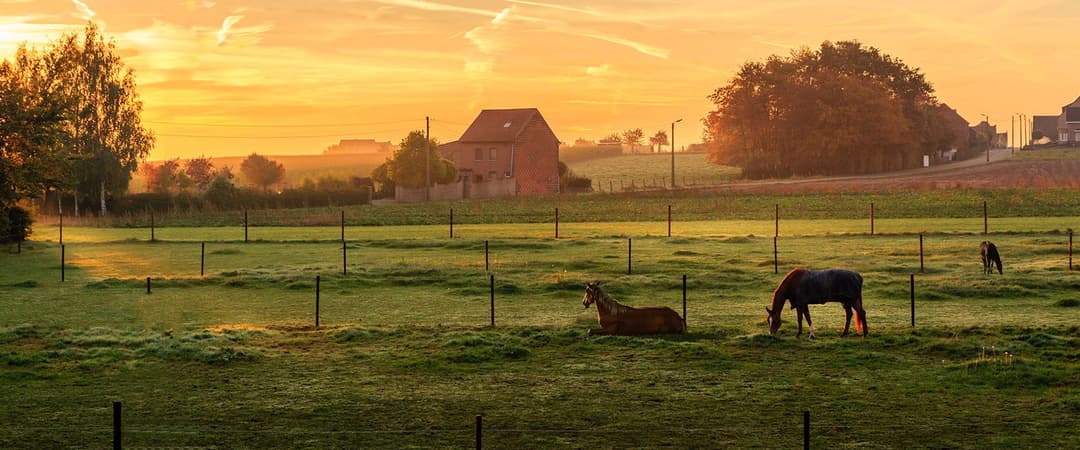
Horses: Visibility and physical stability are particularly important. A fence that is hard to see, sags excessively, or is poorly supported can create a hazard. Use a design intended for horses and seek professional advice for boundary or high-risk areas. A lightweight temporary line may be useful for supervised paddock management, but it should not automatically replace a suitable horse boundary.
Poultry: Portable electric netting can help create a moveable outdoor enclosure, depending on the site and the birds being kept. Plan for ground contact, gaps, vegetation, and the limits of the system. Electric fencing should not be presented as a guarantee against predators or disease.
5. Compare the Real Cost, Not Just the Purchase Price
Temporary fencing often has a lower initial cost for a short division because it uses portable posts and lightweight conductors. It can also save time when the layout changes frequently. However, reels, connectors, replacement posts, testing equipment, and the time spent moving and checking the fence all contribute to the total cost.
Permanent fencing normally requires more installation work and stronger structural components. In return, it can provide a long-term boundary without being dismantled and reset each time grazing plans change. Repairs may still be needed after storms, vegetation growth, animal pressure, or damage from machinery.
When comparing quotes, include:
- Posts, end and corner assemblies, insulators, conductors, and gates.
- Energizer capacity and the power source required at the site.
- Grounding components and suitable connection leads.
- Installation labour and access requirements.
- Routine vegetation control, voltage checks, and likely repairs.
- The cost of moving a temporary line over a full grazing season.
The cheapest setup on day one is not always the cheapest to operate.
6. Energizer Capacity and Fence Length Matter for Both Systems
A fence is only useful when it delivers an effective electric pulse along the line. Do not choose an energizer based only on a headline distance or acreage figure. The practical result also depends on conductor resistance, the number of strands, vegetation touching the wires, connections, grounding, and the condition of the fence.
Longer permanent fences may require a more capable energizer and careful attention to conductor choice. Temporary systems can be shorter, but frequent movement does not remove the need for proper electrical design. If you extend a temporary fence or connect several sections, reassess the total load rather than assuming the original energizer will still be suitable.
Solar power can be useful where mains power is not available, but panel exposure, battery condition, seasonal daylight, and energizer demand all affect performance. Follow the manufacturer's installation instructions and test the fence under real operating conditions.
7. Ground Conditions and Weather Can Change Your Decision
UK farms can have very different conditions, from wet heavy soil to dry, stony ground and exposed fields. Portable posts that push easily into one paddock may be difficult to install in another. Fiberglass and plastic posts have different designs and strengths, so compare the actual post, footplate, insulator arrangement, and intended use rather than relying on material name alone.
Wind is another factor. Wide polytape presents more surface area than polywire, so it may need closer support in exposed locations. Sloping ground and dips can create gaps underneath a conductor or cause it to sit too low. Add support where the terrain changes instead of forcing uniform spacing across the whole line.
For permanent fences, plan stronger support where the line turns or tension concentrates. For temporary fences, carry spare posts and inspect the line after strong wind, heavy rain, or livestock movement.
8. A Hybrid System Is Often the Most Practical Option
Many farms do not need to choose one system for every part of the property. A sensible arrangement may use a robust permanent perimeter and portable electric fencing for internal divisions.
For example, a grazing field can have a dependable outer boundary while temporary polywire divides the pasture into smaller sections. The farmer can then adjust the grazing area as grass growth and livestock demand change, without moving the external fence.
This approach keeps the most important boundary stable while allowing flexibility inside it. It also makes it easier to match the conductor, post type, and energizer to each section's purpose. Always assess whether the permanent boundary is suitable for the risks involved; temporary divisions should not be relied on to compensate for an inadequate perimeter.
9. A Simple Checklist Before You Choose
Before buying materials, answer these questions:
- Is this an external boundary or an internal division?
- Will the fence stay in the same place for years, or move weekly?
- Which animals will it contain, and how do they behave around fences?
- What are the consequences if the fence fails?
- Is the ground easy to install posts into, and is the site exposed to wind?
- How long is the fence, how many conductors will it use, and what energizer is suitable?
- Can you access the line easily for testing, vegetation control, and repairs?
- Would a permanent perimeter with temporary internal sections give you a better balance?
If the fence protects a high-risk boundary, prioritise a suitable and professionally planned structure. If the goal is to change grazing areas quickly, portability may be more valuable than a permanent installation.
Conclusion
Permanent and temporary electric fencing solve different problems. Permanent systems are suited to stable boundaries and long-term layouts; temporary systems are valuable when grazing plans or field divisions change. For many livestock farms, combining the two offers a practical balance of reliability and flexibility. Lydite Fence supplies electric-fencing components for different farm applications, so choose posts, conductors, insulators, and energizer options according to your site, livestock, and operating needs.
Frequently Asked Questions
Is temporary electric fencing suitable as a permanent field boundary?
It depends on the design, livestock, site, and consequences of failure. Lightweight portable fencing is generally intended for moveable divisions, not as an automatic replacement for a properly designed external boundary.
Is permanent electric fencing always more expensive?
It usually involves more structural materials and installation work at the beginning, but the total cost depends on fence length, terrain, labour, maintenance, and how often a temporary system would need to be moved.
Can I use temporary fencing for rotational grazing?
Yes. Portable posts, suitable conductors, reels, and compatible gate handles can make it easier to adjust grazing areas. Check the fence regularly and ensure the energizer is appropriate for the complete system.
Should I use polywire or polytape for a temporary fence?
Polywire is lightweight and convenient to reel in. Polytape can be more visible, but its wider surface can catch more wind. Choose according to animal type, visibility needs, exposure, conductor resistance, and the fence layout.
Does a solar energizer work for temporary fencing in the UK?
It can work where mains power is unavailable, provided the energizer and battery are suited to the fence and site. Panel exposure, seasonal daylight, vegetation, grounding, and battery condition all affect performance, so test the system regularly.




Wuxi, China
Zhihui568, Jianghai Western Road
Wuxi, Jiangsu, China
Head Factory
Area A, Shuangmiao Industrial Park, Wutong Road, Huishan District, Wuxi City, Jiangsu Province, China


