


How to Install an Electric Fence Energizer: A Step-by-Step Guide
Introduction
Installing an electric fence energizer correctly is essential for building a reliable and efficient fencing system. Even the highest-quality energizer cannot perform well if it is installed improperly. In this guide, you will learn how to install an electric fence energizer step by step, avoid common installation mistakes, and ensure your electric fence delivers consistent performance for livestock and property protection.
1. Choose the Right Location for the Energizer
Before installation, select a suitable location for your electric fence energizer.
The energizer should be mounted in a dry, well-ventilated area where it is protected from direct rain and excessive sunlight. If you are using an AC-powered energizer, make sure there is a reliable electrical outlet nearby. For a solar fence energizer, choose a location that receives maximum sunlight throughout the day.
A good installation location improves both safety and the lifespan of the energizer.
2. Select the Correct Power Source
Electric fence energizers are available in three main power options:
- AC-powered energizers
- Battery-powered energizers
- Solar fence energizers
Choose the power source based on your farm's infrastructure and the location of your fence. Permanent fencing systems usually benefit from AC power, while remote or temporary fencing often performs best with solar or battery-powered units.
Selecting the correct power source helps ensure stable fence voltage throughout the year.
3. Install a Proper Grounding System
A grounding system is one of the most important parts of an electric fence installation.
Drive galvanized grounding rods deep into the soil and connect them securely to the energizer's ground terminal using insulated cable. For larger fence systems, multiple grounding rods should be installed several meters apart.
Proper grounding allows electricity to return to the energizer efficiently, ensuring animals receive an effective shock when they contact the fence.
4. Connect the Fence Line
Once the grounding system is complete, connect the energizer to the fence conductor.
Depending on your fencing system, you may be using:
- Polywire
- Polyrope
- Polytape
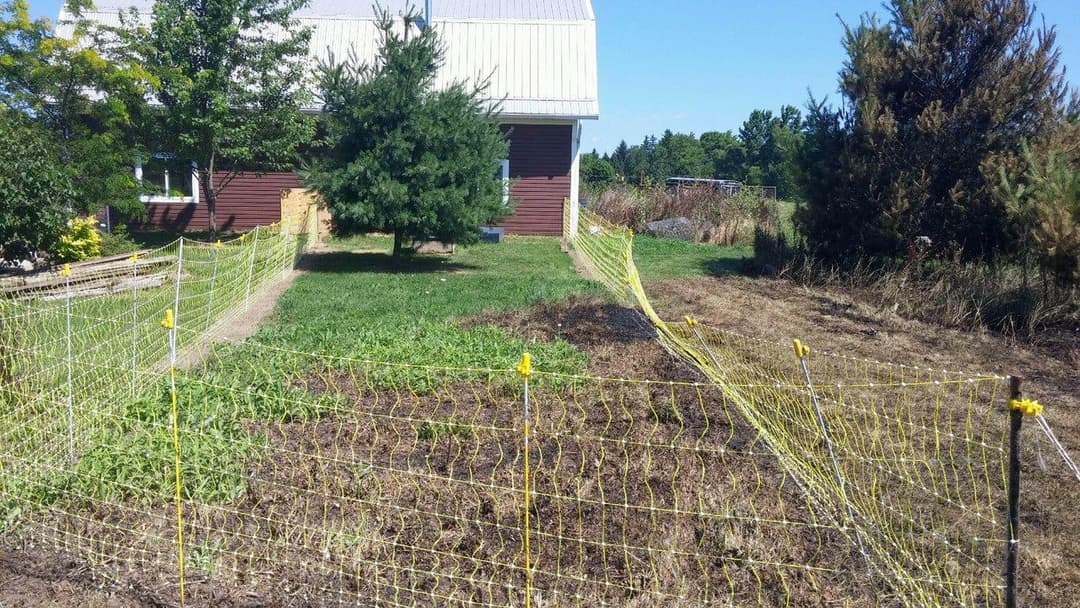
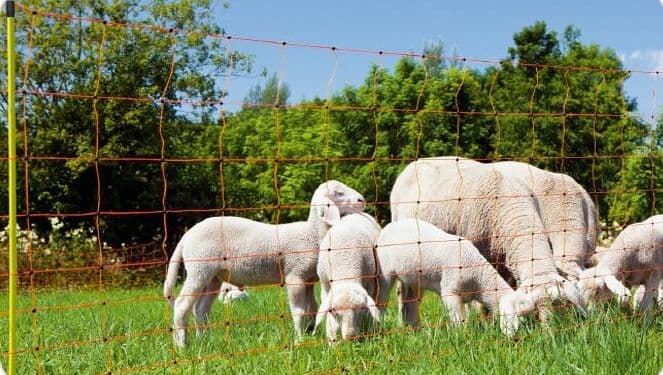
- Electric fence netting
Use high-quality insulated lead-out cable for all connections to reduce voltage loss. Ensure every connection is tight and free from corrosion.
Poor electrical connections can significantly reduce fence performance.
5. Install Fence Posts and Insulators
Fence posts provide support for the conductor, while insulators prevent electricity from leaking into the posts.
Choose fence posts suitable for your application, such as fiberglass posts, plastic posts, steel pigtail posts, or wooden posts.
Inspect every insulator carefully before installation. Damaged or cracked insulators can reduce fence voltage and increase maintenance requirements.
6. Check Fence Tension
The fence conductor should remain properly tensioned across the entire fence line.
Loose conductors may sag, touch vegetation, or create poor electrical contact. Excessive tension, however, may damage the conductor or place unnecessary stress on fence posts.
Maintaining proper tension helps improve fence reliability and extends the lifespan of the entire fencing system.
7. Remove Vegetation Around the Fence
Grass, weeds, and shrubs touching the fence continuously drain electrical energy.
Before powering the system, clear vegetation along the fence line to prevent voltage loss.
Regular vegetation management is especially important when using polywire, polyrope, or electric fence netting, as these systems are more sensitive to electrical load.
8. Test the Fence Voltage
After installation is complete, test the fence using a digital fence tester.
Measure voltage:
- At the energizer
- In the middle of the fence
- At the end of the fence line
Consistent readings indicate that the system is operating correctly. If voltage drops significantly, inspect the grounding system, conductor connections, and fence line for faults.
9. Inspect the Entire System
Walk around the entire fence before allowing livestock into the enclosure.
Look for:
- Loose wire connections
- Damaged insulators
- Broken fence posts
- Conductors touching metal objects
- Vegetation contacting the fence
A complete inspection helps identify small problems before they become major issues.
10. Perform Regular Maintenance
Proper installation is only the beginning. Routine maintenance keeps your electric fence operating efficiently throughout the year.
You should:
- Test fence voltage regularly
- Inspect grounding rods
- Tighten loose connections
- Replace damaged insulators
- Trim vegetation around the fence
Regular maintenance improves fence reliability and helps maximize the lifespan of your electric fence energizer.
Conclusion
Installing an electric fence energizer correctly is essential for achieving reliable fence performance. By selecting the right location, installing an effective grounding system, using quality fence components, and performing regular maintenance, you can build an electric fence that provides dependable livestock control for years to come. Lydite Fence offers electric fence energizers, polywire, polyrope, electric fence netting, fence posts, insulators, and accessories designed to help farmers create durable and efficient fencing systems.
FAQ
Can I install an electric fence energizer by myself?
Yes. Most electric fence energizers are designed for straightforward installation, provided you follow the manufacturer's instructions and install the grounding system correctly.
How many grounding rods do I need?
Small fence systems may only require one grounding rod, while larger installations often perform better with two or three rods spaced several meters apart.
How do I know if my energizer is installed correctly?
Use a digital fence tester to measure the voltage at different points along the fence. Consistent voltage indicates that the installation is working properly.
What is the most common installation mistake?
Poor grounding is the most common cause of weak fence performance. Incorrect wire connections and vegetation touching the fence are also frequent problems.
Recommended Products







Wuxi, China
Zhihui568, Jianghai Western Road
Wuxi, Jiangsu, China
Head Factory
Area A, Shuangmiao Industrial Park, Wutong Road, Huishan District, Wuxi City, Jiangsu Province, China


