


Why Is My Electric Fence Not Working? 10 Common Causes and Solutions
Introduction
A properly functioning electric fence is one of the most effective ways to control livestock and protect property. However, many farmers eventually face the same frustrating problem: the fence stops delivering an effective shock.
When an electric fence fails, animals may begin testing boundaries, escaping enclosures, or damaging fence lines. The good news is that most electric fence problems are easy to identify and fix once you know where to look.
In this guide, you will learn the most common reasons an electric fence stops working and the practical steps you can take to restore full performance.
1. The Electric Fence Energizer Is Not Receiving Power
The first thing you should check is the electric fence energizer.
An energizer cannot generate pulses if it is not receiving adequate power. For AC-powered systems, verify that the outlet is working correctly. For battery-powered and solar fence energizers, inspect the battery condition and charging system.
A simple power supply issue is often the easiest problem to solve.
2. Poor Grounding Is Reducing Fence Performance
Grounding is one of the most overlooked parts of an electric fence system.
Even a powerful fence charger cannot deliver an effective shock if the electrical circuit cannot return through the ground.
Common grounding problems include:
- Too few grounding rods
- Dry soil conditions
- Loose grounding connections
- Corroded grounding hardware
Installing additional grounding rods and maintaining good soil contact can significantly improve fence performance.
3. Vegetation Is Draining Voltage
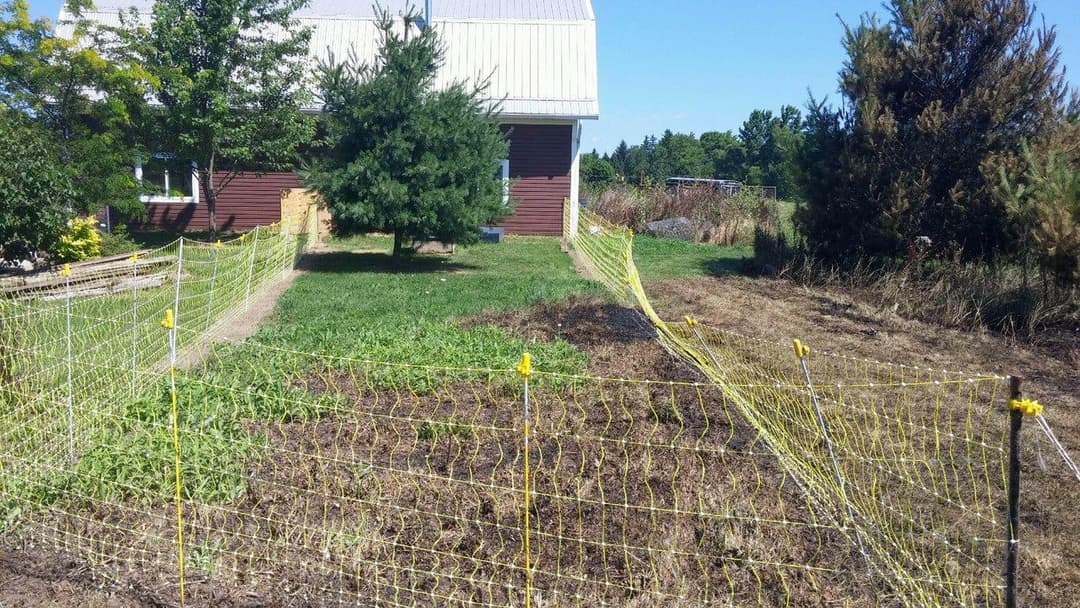
Grass, weeds, and brush touching the fence wire create a constant electrical load.
As vegetation grows, it steals energy from the fence and reduces the voltage available to animals.
This issue is especially common when using:
- Polywire
- Polyrope
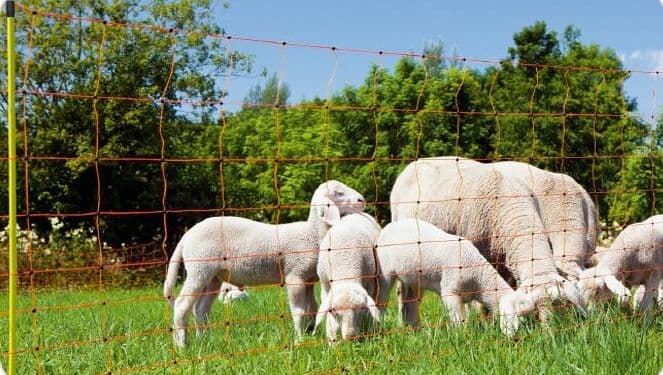
- Electric fence netting
Regular vegetation control is one of the most effective ways to maintain strong fence voltage.
4. Broken Conductors Are Interrupting Power Flow
Damaged conductors prevent electricity from traveling efficiently along the fence line.
Inspect all fence materials for:
- Broken polywire strands
- Frayed polyrope
- Torn polytape
- Damaged netting conductors
Even small breaks can create significant voltage loss over long distances.
5. Loose Connections Are Causing Voltage Drops
Every connection point in an electric fence system creates potential resistance.
Check:
- Wire joins
- Gate handles
- Connector clamps
- Underground cable connections
Loose or corroded connections often result in inconsistent fence performance and reduced shock strength.
6. Faulty Insulators Are Allowing Energy Loss
Insulators prevent electricity from escaping into fence posts or the ground.
Inspect all insulators for:
- Cracks
- UV damage
- Moisture buildup
- Wear from animal pressure
Replacing damaged insulators can restore voltage immediately.
7. The Fence Is Too Long for the Energizer
Many farmers underestimate how much power their fence requires.
Long fences, multiple strands, and electric fence netting systems all increase electrical load.
If your energizer is undersized, voltage will decrease as distance increases.
Upgrading to a higher-output electric fence energizer may be necessary for larger installations.
8. The Battery Is Weak or Damaged
Battery-powered and solar fence energizers depend on healthy batteries.
Signs of battery problems include:
- Inconsistent voltage readings
- Reduced shock strength
- Poor performance during cloudy weather
- Rapid voltage decline
Testing and replacing aging batteries can often solve these issues.
9. Weather Conditions Are Affecting Performance
Environmental conditions can influence electric fence operation.
Heavy rainfall may create temporary shorts, while extremely dry conditions can reduce grounding efficiency.
Seasonal changes often require adjustments to grounding systems and fence maintenance routines.
Regular inspections help prevent weather-related performance problems.
10. Lack of Routine Maintenance
Many electric fence failures are caused by simple neglect.
A fence should be inspected regularly for:
- Vegetation growth
- Loose connections
- Damaged insulators
- Grounding problems
- Voltage loss
Routine maintenance keeps the entire system operating efficiently and reduces unexpected failures.
Conclusion
When an electric fence stops working, the cause is usually one of a few common problems. Power supply issues, poor grounding, vegetation load, damaged conductors, and inadequate maintenance are responsible for most voltage loss situations.
By systematically checking each part of your fencing system, you can quickly identify the problem and restore reliable performance.
Manufacturers like Lydite Fence provide electric fence energizers, fence testers, polywire, polyrope, electric fence netting, fence posts, and accessories designed to help farmers maintain effective and dependable fencing systems.
FAQ
Why does my electric fence have power but no shock?
This is often caused by poor grounding, damaged conductors, or excessive vegetation touching the fence.
How do I know if my fence energizer is working?
Use a fence tester to measure voltage directly at the energizer output terminals.
Can weeds reduce electric fence voltage?
Yes. Weeds and grass touching the fence continuously drain energy and can significantly reduce voltage.
How often should I test my electric fence?
Most farmers should test fence voltage at least once a week and after severe weather events.
Image Suggestions
Image suggestion: Farmer checking electric fence voltage
Image suggestion: Grounding rod installation
Image suggestion: Vegetation touching electric fence wire
Image suggestion: Electric fence energizer mounted on fence post
Recommended Products







Wuxi, China
Zhihui568, Jianghai Western Road
Wuxi, Jiangsu, China
Head Factory
Area A, Shuangmiao Industrial Park, Wutong Road, Huishan District, Wuxi City, Jiangsu Province, China


