

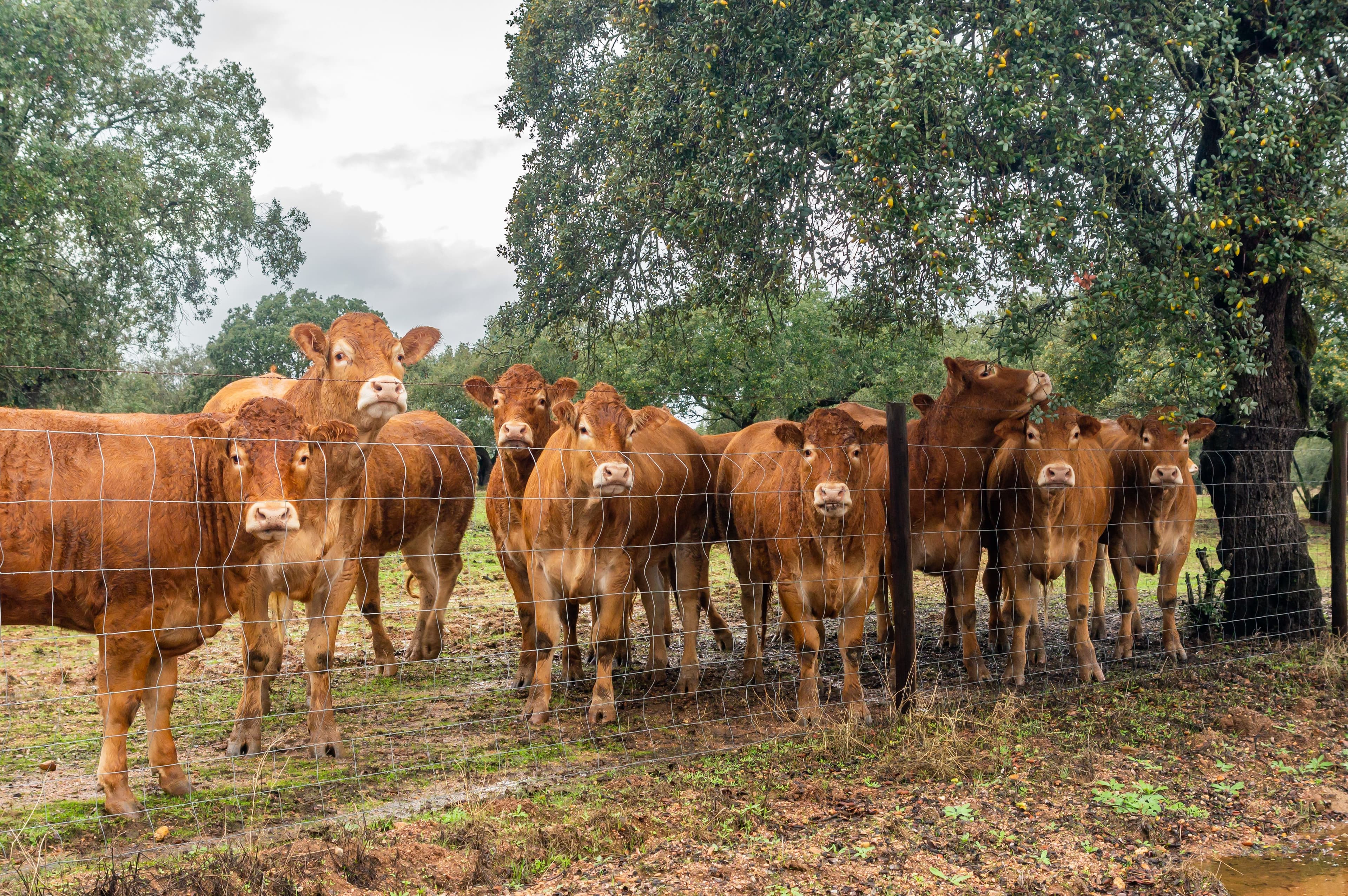
1. How a Solar Fence Energizer Works
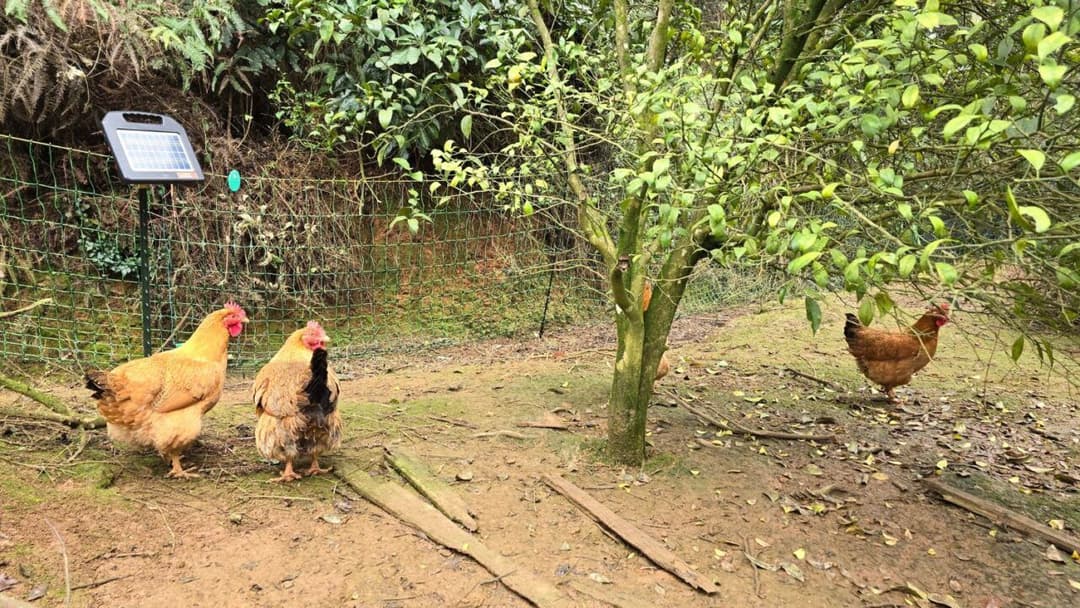
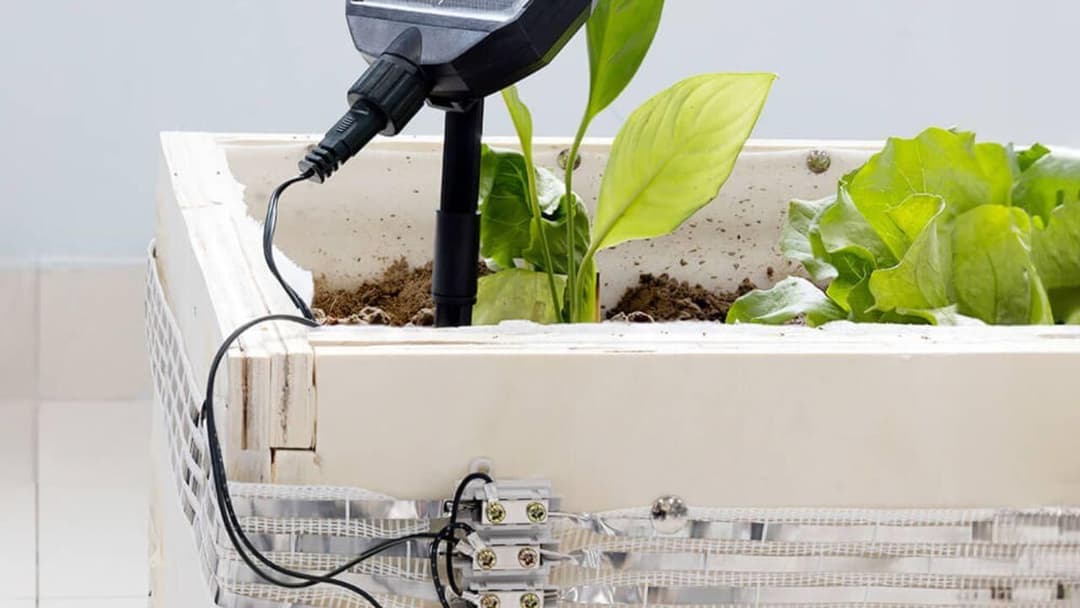
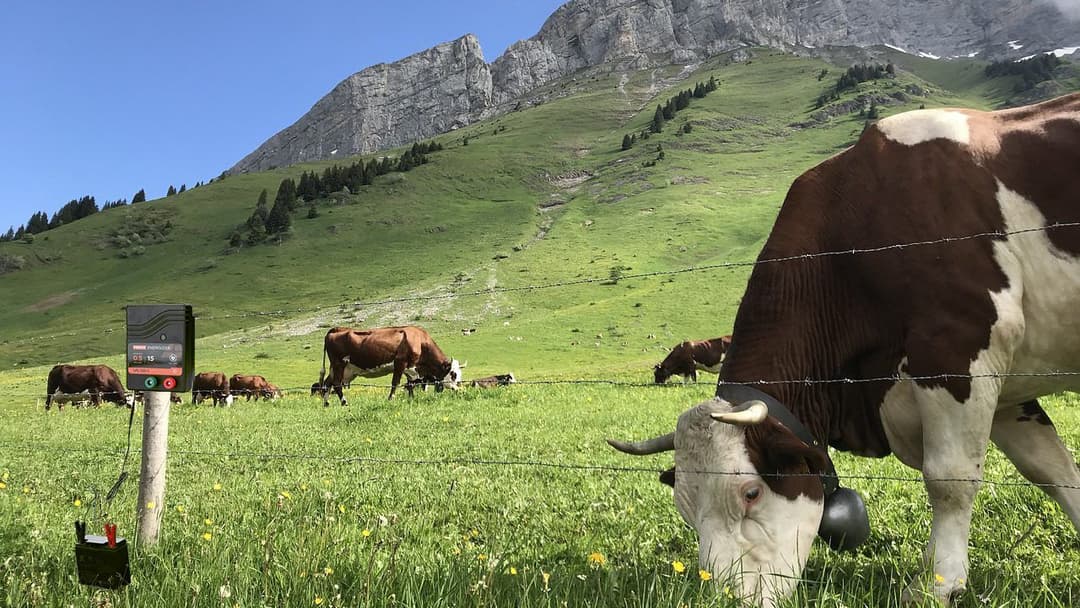
A solar fence energizer converts sunlight into stored energy and releases it in controlled electrical pulses through your fence line.
A complete system includes:
Solar panel
Battery (usually 12V lead-acid or lithium)
Fence energizer unit
Fence conductor (polywire, polyrope, tape, or fence netting)
Grounding system
If any one of these components is neglected, overall fence performance will drop.
2. Keep the Solar Panel Clean and Unshaded
Solar panels are the most exposed part of the system and the easiest to overlook.
Best practices:
Clean dust, mud, or bird droppings every 2–4 weeks
Use water and a soft cloth only
Avoid abrasive cleaners
Make sure no grass, trees, or fencing materials shade the panel
Even partial shade can significantly reduce charging efficiency.
3. Check Battery Health Regularly
The battery stores energy for night use and cloudy days. Most solar fence failures start here.
Maintenance tips:
Inspect battery terminals for corrosion
Ensure tight connections
Test battery voltage periodically
Replace batteries that no longer hold charge
If your fence weakens after sunset, the battery is usually the cause.
4. Monitor Fence Voltage, Not Just the Energizer Light
Many solar energizers have indicator lights, but these do not tell the full story.
You should:
Use a digital fence tester
Measure voltage at the energizer output
Test again at the far end of the fence
Compare readings during day and night
Consistent voltage matters more than peak voltage.
5. Maintain a Proper Grounding System
Grounding is critical for solar energizers, especially in dry soil conditions.
Good grounding practices include:
Using galvanized grounding rods
Ensuring firm soil contact
Keeping connections clean and tight
Improving soil moisture during dry seasons
Poor grounding can make even a high-quality solar energizer feel weak.
6. Control Vegetation Along the Fence Line
Solar energizers are more sensitive to constant energy drain caused by vegetation.
Pay special attention to:
Grass touching lower fence wires
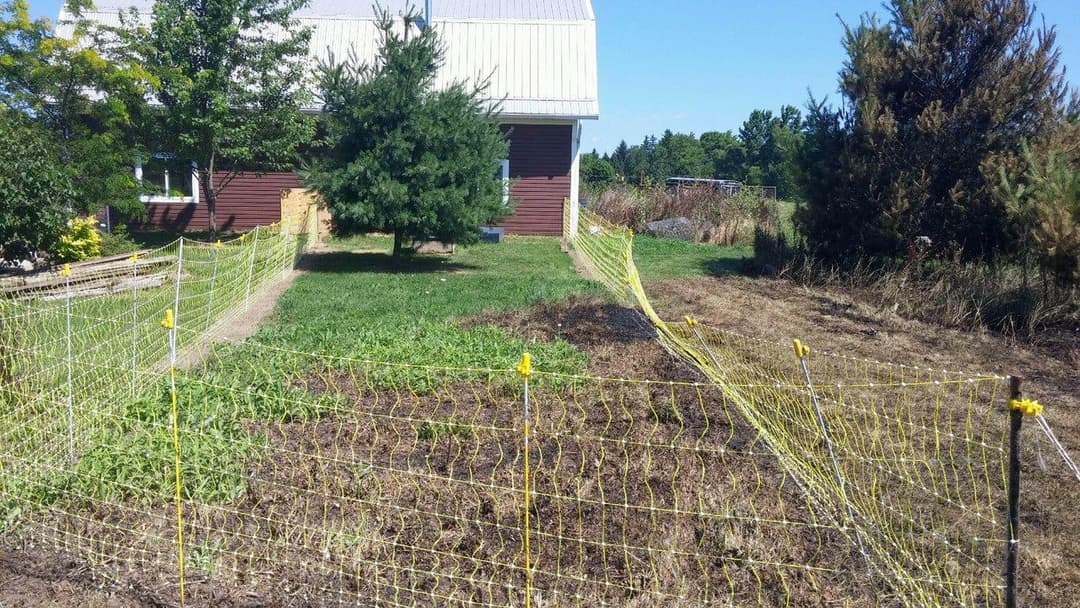
Weeds contacting electric fence netting
Fast-growing pasture during rainy seasons
Regular trimming helps maintain stable voltage and reduces battery load.
7. Inspect Fence Conductors and Connections
Fence conductors affect how efficiently energy travels.
Routine checks should include:
Tight knots and clips on polywire and polyrope
Proper tension on electric fence tape
Clean stainless-steel contacts on netting
No broken or rusted connectors
Small connection problems can cause large voltage losses.
8. Posts and Insulators Also Need Attention
Fence posts and insulators protect electricity from leaking into the ground.
Check for:
Cracked insulators on metal posts
UV-damaged plastic posts
Loose fence lines rubbing against posts
Even a strong solar energizer cannot overcome poor insulation.
9. Adjust Maintenance by Season
Solar fence systems behave differently throughout the year.
Seasonal tips:
Winter: clean panels more often, monitor battery capacity
Spring: control fast vegetation growth
Summer: ensure full sun exposure, prevent overheating
Rainy seasons: check grounding and waterlogged areas
Season-specific care prevents sudden fence failures.
10. Know When the System Needs an Upgrade
Sometimes maintenance reveals that your fence system has grown beyond its original design.
This may happen if:
Fence length increases
Fence netting is added to wire systems
More animals are enclosed
Additional fence lines are connected
In these cases, upgrading to a higher-capacity solar energizer is a better solution than pushing a small unit too hard.
Final Thoughts
A solar fence energizer is not a “set it and forget it” device. With simple, regular maintenance, it can deliver reliable performance for many years—even in challenging farm environments.
When the solar panel, battery, grounding system, fence conductors, and posts work together, your electric fence stays strong day and night.
Manufacturers like Lydite design solar fence energizers to work with polywire, tape, fence netting, and common fence posts—making long-term maintenance easier for modern farms.





Wuxi, China
Zhihui568, Jianghai Western Road
Wuxi, Jiangsu, China
Head Factory
Area A, Shuangmiao Industrial Park, Wutong Road, Huishan District, Wuxi City, Jiangsu Province, China


