

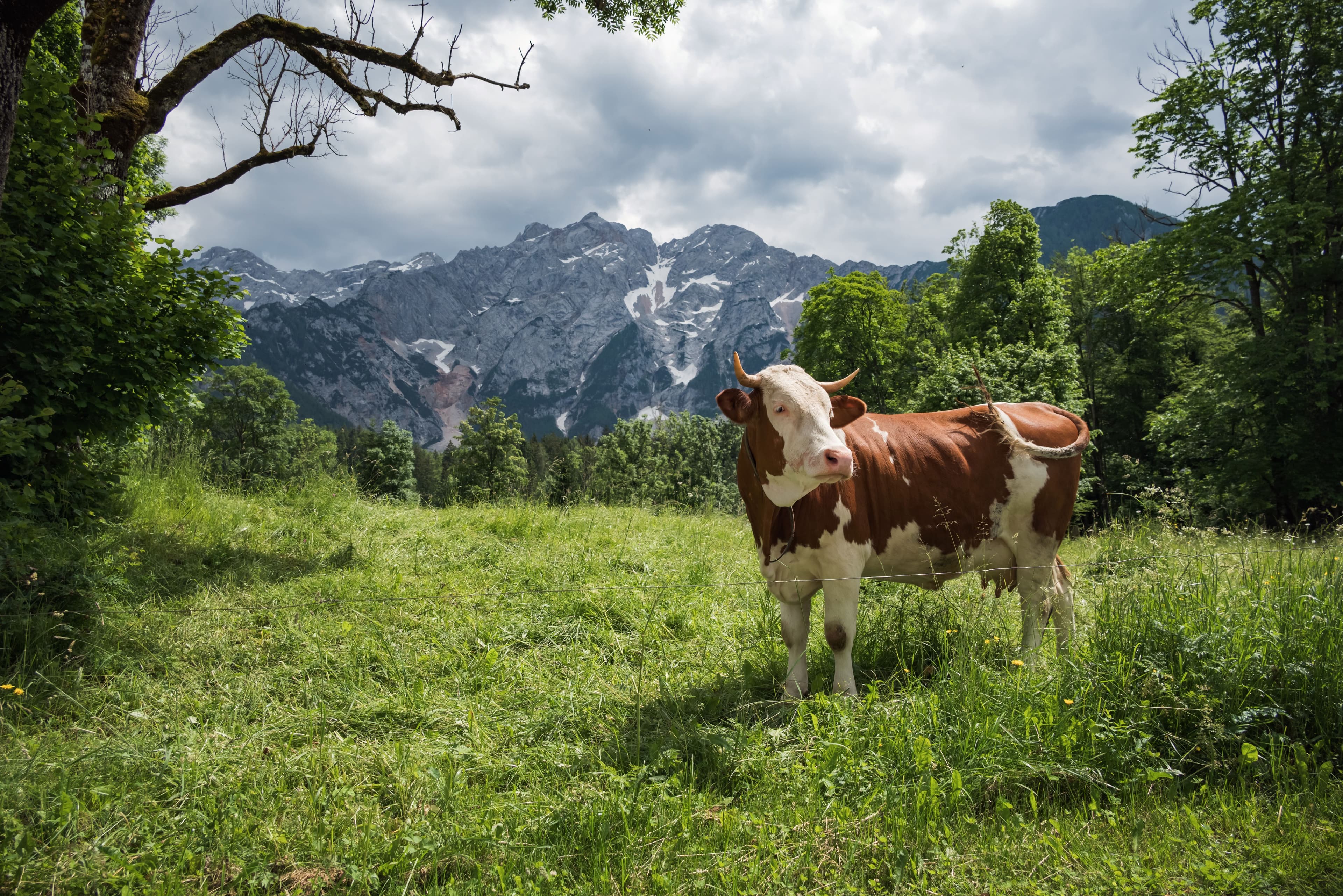
How to Choose the Right Electric Fence Wire for Your Farm
URL Slug: how-to-choose-electric-fence-wire
Meta Title: How to Choose the Right Electric Fence Wire | Complete Buying Guide
Meta Description: Learn how to choose the right electric fence wire for your farm. Compare polywire, polyrope, polytape, and high tensile wire to build a reliable electric fencing system for livestock.
Introduction
Choosing the right electric fence wire is just as important as selecting the right electric fence energizer. Different conductors offer different levels of conductivity, visibility, strength, and durability. Whether you are fencing cattle, horses, sheep, goats, or poultry, selecting the appropriate wire can improve fence performance, reduce maintenance, and keep your livestock safely contained.
1. Why Electric Fence Wire Matters
The fence wire carries the electrical pulse from the energizer throughout the entire fencing system.
If the conductor has poor conductivity or becomes damaged, voltage will drop and the fence will become less effective. A high-quality conductor helps maintain consistent voltage, reduces energy loss, and improves the overall performance of your electric fence.
Selecting the right wire is the foundation of a reliable fencing system.
2. Understand the Different Types of Electric Fence Wire
There are several types of conductors available, and each is designed for different farming applications.
The most common options include:
- Polywire
- Polyrope
- Polytape
- High tensile wire
Each type offers its own advantages depending on your livestock, fence length, and installation requirements.
3. When to Choose Polywire
Polywire is one of the most popular choices for temporary electric fencing.
It is lightweight, flexible, and easy to install, making it ideal for rotational grazing and portable fencing systems.
Polywire is recommended for:
- Temporary paddocks
- Cattle grazing
- Sheep grazing
- Strip grazing
- Seasonal fencing
Because it is easy to rewind and relocate, polywire is widely used by farmers who frequently move their fence lines.
4. When to Choose Polyrope
Polyrope contains more conductive strands than polywire and is generally stronger.
Its larger diameter also makes it easier for livestock to see, reducing accidental contact with the fence.
Polyrope is commonly used for:
- Horse fencing
- Permanent livestock fencing
- Long-distance fence lines
- High-visibility applications
For larger animals, polyrope often provides an excellent balance between durability and visibility.
5. When to Choose Polytape
Polytape is designed to provide maximum visibility.
Its wide profile makes it highly noticeable, especially for horses, which rely heavily on visual boundaries.
Polytape is best suited for:
- Horse paddocks
- Equestrian facilities
- Temporary horse fencing
- High-visibility fence systems
Although polytape is easy for animals to see, it may experience more wind resistance than polywire or polyrope.
6. When to Use High Tensile Wire
High tensile wire is commonly used in permanent fencing installations.
It offers excellent conductivity, high strength, and a long service life.
High tensile wire is suitable for:
- Permanent cattle fencing
- Large ranches
- Long perimeter fences
- Heavy-duty livestock systems
Although installation requires more time and specialized tools, high tensile wire provides outstanding long-term durability.
7. Consider Conductivity and Fence Length
Not all fence wires conduct electricity equally.
As fence length increases, conductivity becomes more important.
For long fences, choose conductors with multiple stainless steel or copper strands to reduce resistance and maintain higher voltage throughout the system.
A properly matched conductor helps your electric fence energizer perform at its full potential.
8. Match the Wire to Your Livestock
Different animals require different fencing solutions.
General recommendations include:
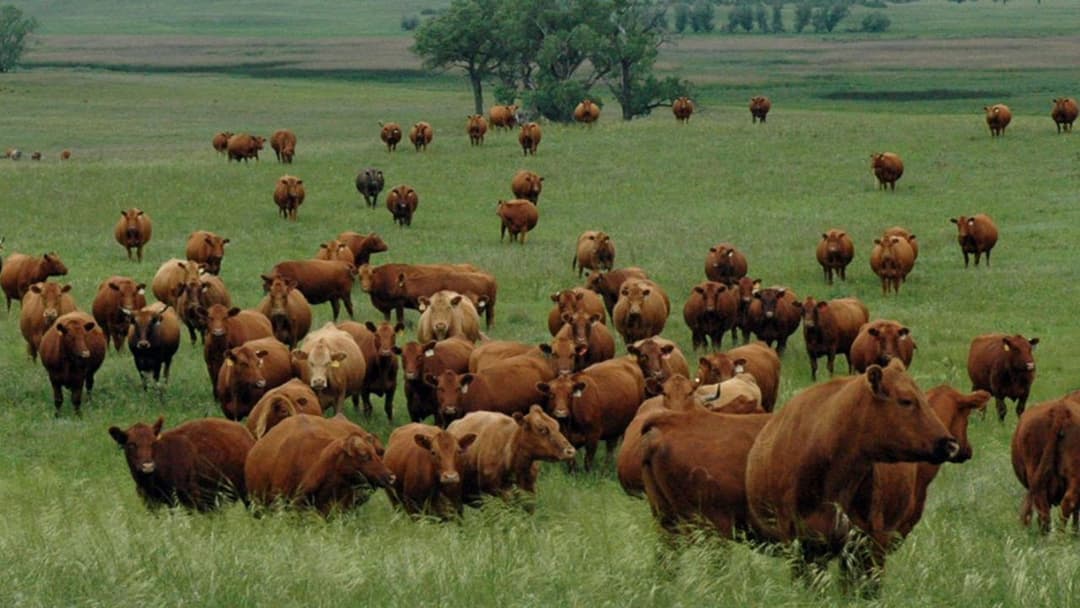
- Cattle — Polywire or high tensile wire
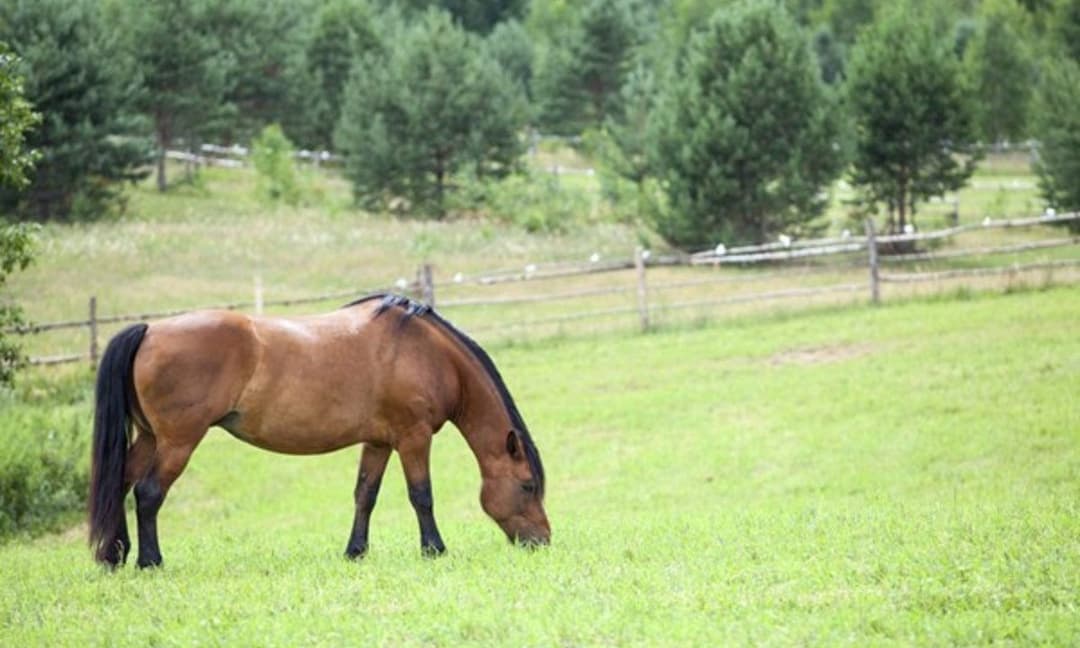
- Horses — Polyrope or polytape
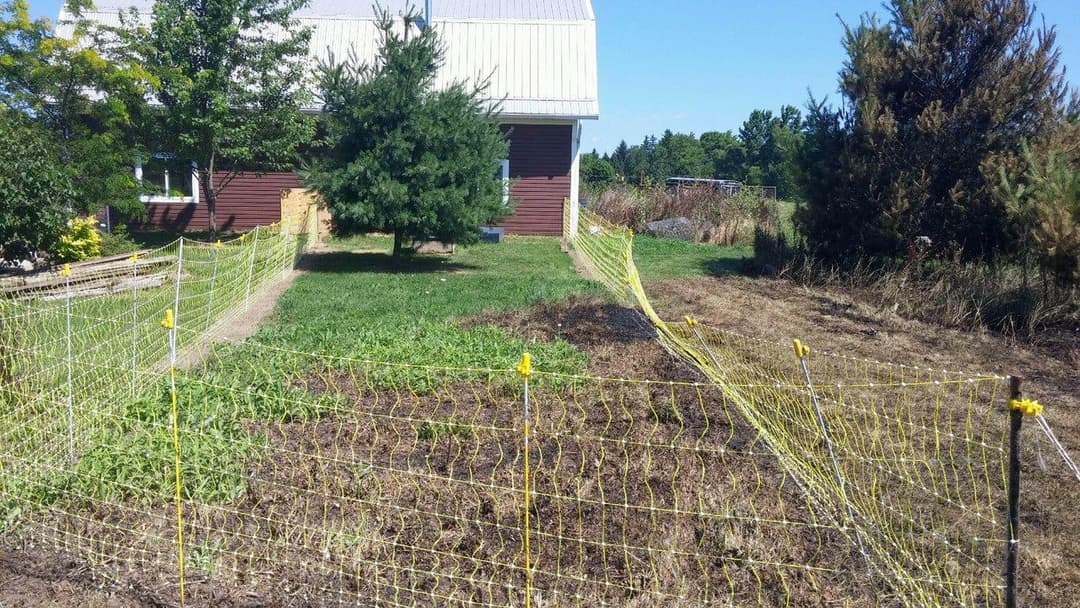
- Sheep — Electric fence netting or polywire
- Goats — Electric fence netting with a powerful energizer
- Poultry — Electric fence netting
Choosing the right conductor improves both animal control and fence efficiency.
9. Don't Forget the Other Fence Components
Even the best conductor cannot perform well without a properly designed fencing system.
Make sure your installation includes:
- A reliable electric fence energizer
- High-quality fence posts
- Durable insulators
- A properly installed grounding system
- Secure wire connectors
Every component contributes to maintaining consistent fence voltage.
10. Maintain Your Fence Wire for Long-Term Performance
Regular maintenance helps extend the life of your electric fence wire.
Inspect the fence routinely for:
- Broken conductive strands
- Loose connections
- Excessive wire sagging
- Weather damage
- Vegetation touching the fence
Replacing damaged sections promptly helps maintain reliable voltage and reduces long-term repair costs.
Conclusion
The best electric fence wire depends on your livestock, fencing layout, and management goals. Polywire is ideal for temporary fencing, polyrope offers excellent strength and visibility, polytape is a popular choice for horses, and high tensile wire provides outstanding durability for permanent installations. Combined with a quality electric fence energizer, strong fence posts, and an effective grounding system, the right conductor will help you build a dependable fencing system that performs season after season. Lydite Fence offers a complete range of electric fencing products designed to meet the needs of modern livestock farms around the world.
FAQ
What is the best electric fence wire for cattle?
Polywire is ideal for temporary grazing systems, while high tensile wire is often preferred for permanent cattle fencing.
Is polyrope stronger than polywire?
Yes. Polyrope is generally stronger, contains more conductive strands, and offers better visibility for larger livestock.
Is polytape only used for horses?
Polytape is most commonly used for horses because it is highly visible, but it can also be used for other livestock where visibility is important.
Which fence wire conducts electricity the best?
High tensile wire usually provides the best conductivity, while premium polywire and polyrope with multiple conductive strands also deliver excellent electrical performance.




Wuxi, China
Zhihui568, Jianghai Western Road
Wuxi, Jiangsu, China
Head Factory
Area A, Shuangmiao Industrial Park, Wutong Road, Huishan District, Wuxi City, Jiangsu Province, China


