

How Many Joules Do You Need for an Electric Fence?
Introduction
You are comparing two electric fence energizers. One says 1 joule, another says 5 joules, and a third advertises a huge number of miles. Which number actually matters? Joules tell you how much energy an energizer can deliver in each pulse, but choosing the right output is not as simple as buying the biggest unit. Your animals, total fence load, vegetation, conductor type, and future expansion all change what the fence needs.
1. What Does “Joule” Mean on an Electric Fence Energizer?
A joule is a measure of energy. On an electric fence energizer, it helps describe the energy in each electrical pulse sent into the fence.
This is different from voltage.
Voltage helps push the pulse through the fence and across an animal’s hair or wool. Joules tell you more about how much energy is available to keep that pulse effective when the fence is under load.
That distinction matters. An energizer may show a high no-load voltage in a simple test, but a long fence with wet grass touching it can behave very differently.
2. Stored Joules and Output Joules Are Not the Same
When comparing energizers, check what the specification actually says.
Stored energy is the energy held inside the energizer before the pulse is released. Output or delivered energy is what the energizer can send toward the fence.
Those numbers are not identical because some energy is lost inside the unit.
So if one supplier lists stored joules and another lists output joules, comparing the two numbers directly can be misleading. For practical fence selection, output performance is usually the more useful figure to examine.
This is also why a product page should clearly label which joule value is being shown.
3. Start With the Animals You Need to Control
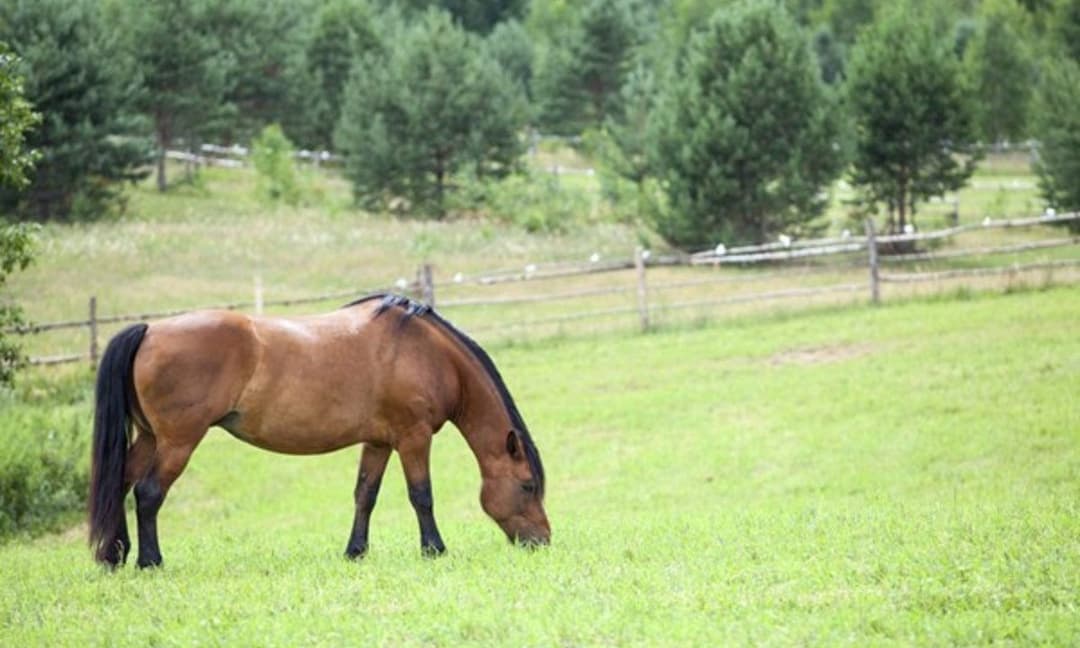
A fence for a quiet horse paddock does not have exactly the same job as a fence holding cattle, sheep, goats, or protecting an area from wildlife.
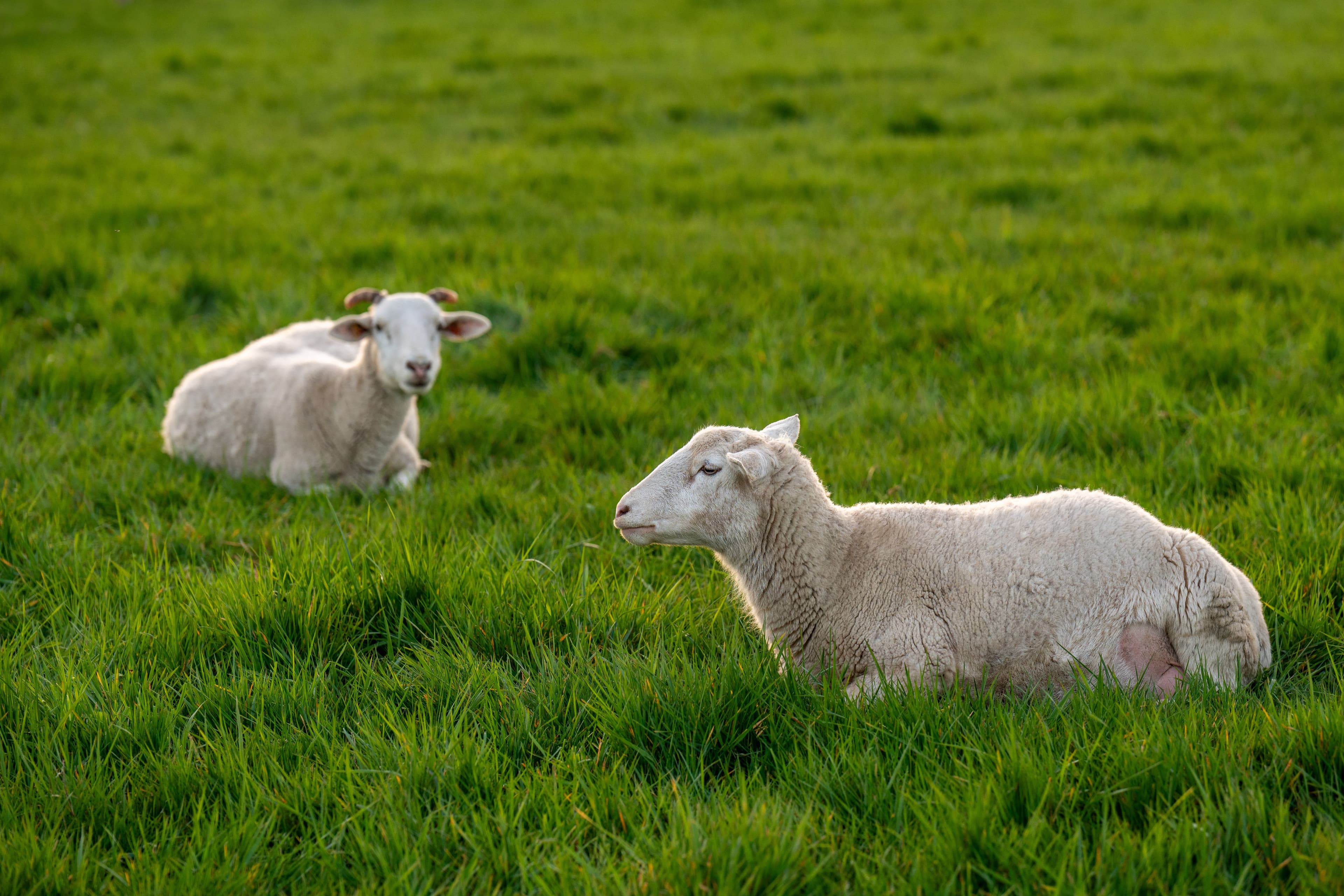
Animals with thick wool or heavy coats can be harder to reach electrically because the pulse needs to make effective contact. Sheep are a good example.
Fence design matters too. Horses often benefit from highly visible fencing such as polyrope, polytape, or a visible rail system. Cattle may be controlled with fewer strands in some setups. Goats can require a more complete barrier because they are good at testing weak spots.
Do not choose joules from the animal alone, but use the animal as your first clue about how demanding the fence may be.
4. Calculate the Fence You Actually Have
A common mistake is to measure only the perimeter.
Imagine a paddock that is 1 km around. If you install four energized strands, the energizer is not powering just 1 km of conductor. There are roughly 4 km of energized line in the system.
Now add another paddock connected to the same energizer.
The load grows again.
This is why “my farm is only 10 acres” does not tell you enough to choose a fence charger. Two farms with the same acreage can have completely different fence layouts.
Count the energized strands and connected fence sections, not just the distance around the property.
5. Vegetation Can Change the Joule Requirement
A clean fence is easy compared with a fence running through heavy grass.
Every wet weed or branch touching the live conductor gives some of the pulse another path toward the ground. One contact point may not cause much trouble. Hundreds of them can.
This becomes obvious during fast-growing seasons. A fence that worked well after installation may lose performance a month later when grass reaches the lower wire.
If vegetation is difficult to control on your property, leave more capacity when selecting the energizer.
Extra energizer output can help a system cope with normal real-world leakage, but it should not replace fence-line maintenance.
6. Electric Fence Netting Can Need More Capacity Than It Looks
A 50-meter roll of electric netting may look like a very short fence.
Electrically, it is not the same as one 50-meter strand of polywire.
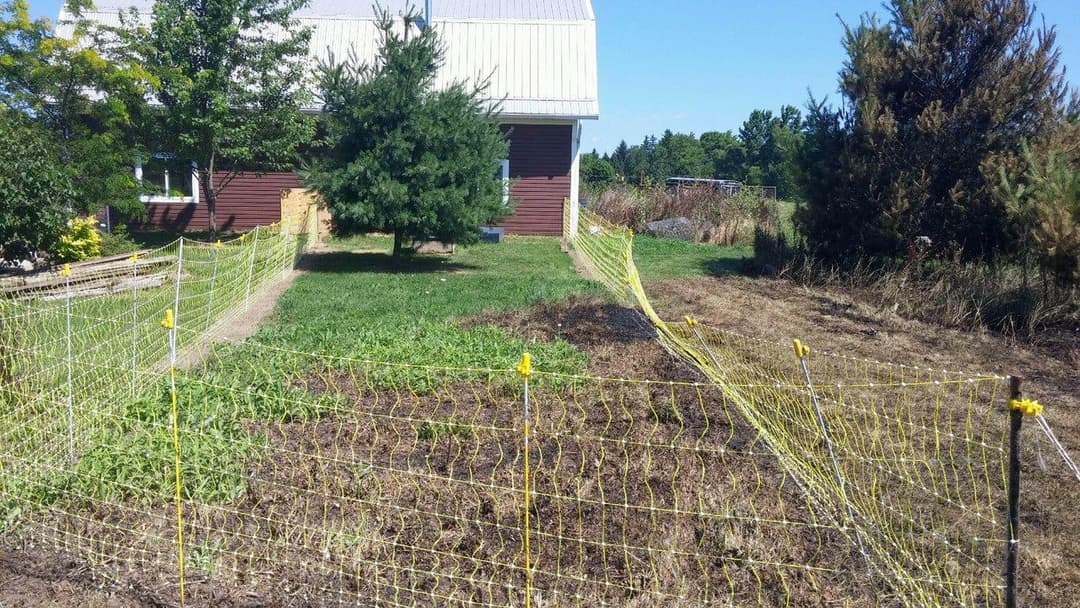
Netting contains multiple horizontal conductive lines, and the lower part sits close to grass. Connect several rolls together and the total load can build quickly.
This is especially relevant for sheep and poultry netting, where users often expand the enclosure by adding another roll later.
If you are selecting an energizer for netting, tell the supplier how many rolls you plan to connect. “50 meters of fence” does not describe the system accurately enough.
7. Conductor Quality Matters Too
Joules cannot fix a poor conductor.
Polywire, polyrope, polytape, and metal wire have different electrical resistance. Even two products that look almost identical can perform differently because of the number, thickness, and material of their conductive strands.
On a short temporary paddock, the difference may be small.
Over a long distance, resistance matters much more. A poor conductor can leave you with good voltage near the energizer and disappointing performance at the far end.
Before increasing energizer size, make sure the conductor itself is suitable for the distance you want to cover.
8. A Bigger Joule Number Is Not Automatically Better
Buying the largest energizer available may sound like the safe option, but that is not a useful way to design a fence.
A small temporary enclosure does not need the same equipment as a long permanent livestock system. Oversizing can add cost without solving problems caused by poor grounding, broken conductors, or bad connections.
The better question is whether the energizer has enough capacity for the fence you have, plus a reasonable margin for vegetation and expansion.
You want enough power to keep the fence effective under normal farm conditions. You do not need to chase the biggest number on the label.
9. Grounding Still Matters, Even With a Powerful Energizer
Suppose you replace a 1-joule energizer with a much larger model and the fence still feels weak.
The problem may never have been the energizer.
The electrical pulse needs a return path through the soil and grounding system. Dry soil, poor ground-rod placement, loose clamps, or inadequate grounding can reduce the result animals experience.
This is particularly important with higher-output systems. The grounding system has to be able to handle the fence properly.
Before deciding that you need more joules, test the fence and check the ground system. A larger energizer connected to a bad ground is still connected to a bad ground.
10. AC, Battery, or Solar Does Not Tell You the Joule Output
Power source and energizer output are separate decisions.
An AC energizer can be small or powerful. The same is true for battery and solar models.
AC units are convenient when mains electricity is available near a permanent fence. Solar energizers make more sense in remote paddocks, while battery systems can be useful for portable fencing.
Once you decide where the energizer will be installed, compare models that can deliver enough output for the fence.
For solar systems, also pay attention to panel size, battery capacity, charging conditions, and expected days without good sunlight. Joules are important, but they are not the only specification keeping the unit running.
11. Leave Some Room for the Fence to Grow
Most farm fences do not stay exactly as they were on installation day.
You may divide one paddock into three, add another roll of netting, install more strands, or extend the perimeter next season.
If the energizer is already close to its practical limit, those changes can create problems quickly.
Think about the next stage before you buy.
You do not need to plan for an imaginary farm five times larger than your current one. But if you already know another paddock is coming, include it in the calculation now.
12. Test the Finished Fence Instead of Trusting the Box
The specification helps you choose an energizer. The finished fence tells you whether the whole system works.
After installation, use a proper electric fence tester near the energizer and then at several points along the line.
If voltage falls sharply in one section, do not immediately assume you chose too few joules. Look for vegetation, poor connections, damaged insulators, conductor problems, gate faults, and grounding issues.
This is the part that turns energizer selection from guesswork into a working fence.
A well-matched energizer should be part of a good system, not a substitute for one.
Conclusion
There is no single joule number that fits every electric fence. A short clean polywire paddock, several rolls of sheep netting, and a long permanent cattle fence place very different loads on an energizer. Start with the animals, then look at total energized conductor length, vegetation, conductor resistance, grounding, and possible expansion. Compare output specifications rather than relying only on advertised miles or acreage. Lydite Fence supplies AC and solar electric fence energizers in different output ranges, along with conductors, testers, posts, netting, and other components for complete livestock fencing systems.
FAQ
Is 1 joule enough for an electric fence?
It can be enough for some smaller or lighter-load fence systems, but the answer depends on total conductor length, vegetation, animal type, grounding, and fence design. Do not choose from joules alone.
How many joules do I need for cattle?
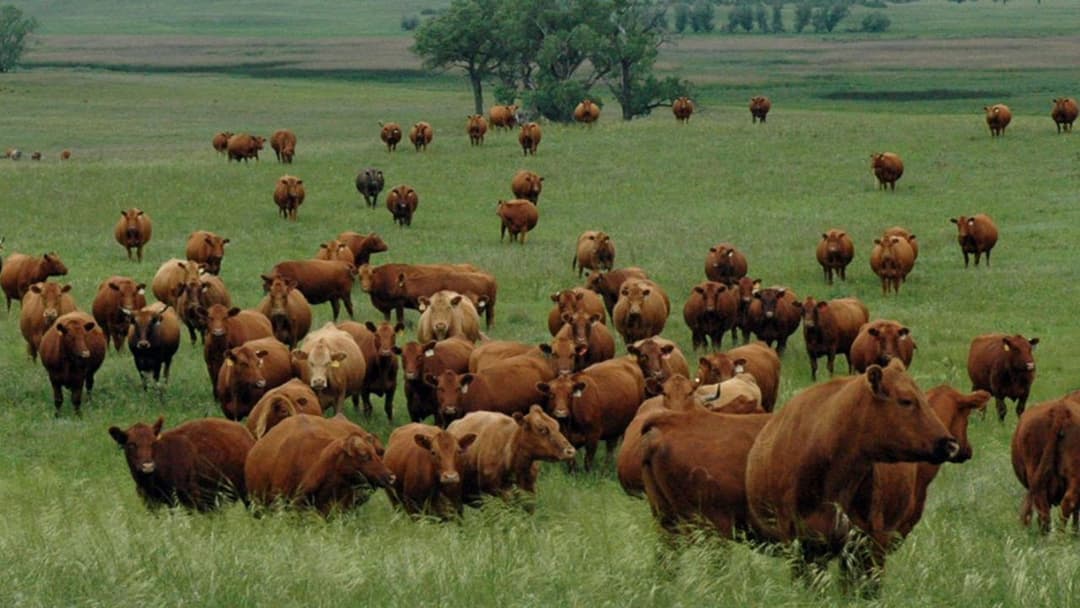
There is no universal cattle number. A short, clean cattle paddock may need much less output than a long multi-strand perimeter fence with heavy vegetation. Size the energizer for the complete fence load.
Do sheep need more electric fence power?
Sheep can be more challenging because wool can reduce effective contact with the energized conductor. Fence design, voltage, grounding, netting or conductor choice, and energizer output all need to work together.
Are more joules better for electric fence netting?
More capacity can be useful when several netting rolls are connected or vegetation creates extra load. The correct size depends on the total netting system rather than the straight-line enclosure distance.
What is more important, volts or joules?
They describe different parts of energizer performance. Voltage helps drive the pulse, while joules describe energy in the pulse. A reliable fence needs suitable voltage and energy, along with good grounding and low-resistance connections.
SEO Keywords
Primary Keyword: how many joules for electric fence
Related Keywords: electric fence energizer joules, electric fence energizer, fence charger, electric fence voltage, solar fence energizer, AC electric fence energizer, electric fence netting, polywire electric fence, polyrope, polytape, livestock electric fence




Wuxi, China
Zhihui568, Jianghai Western Road
Wuxi, Jiangsu, China
Head Factory
Area A, Shuangmiao Industrial Park, Wutong Road, Huishan District, Wuxi City, Jiangsu Province, China


