

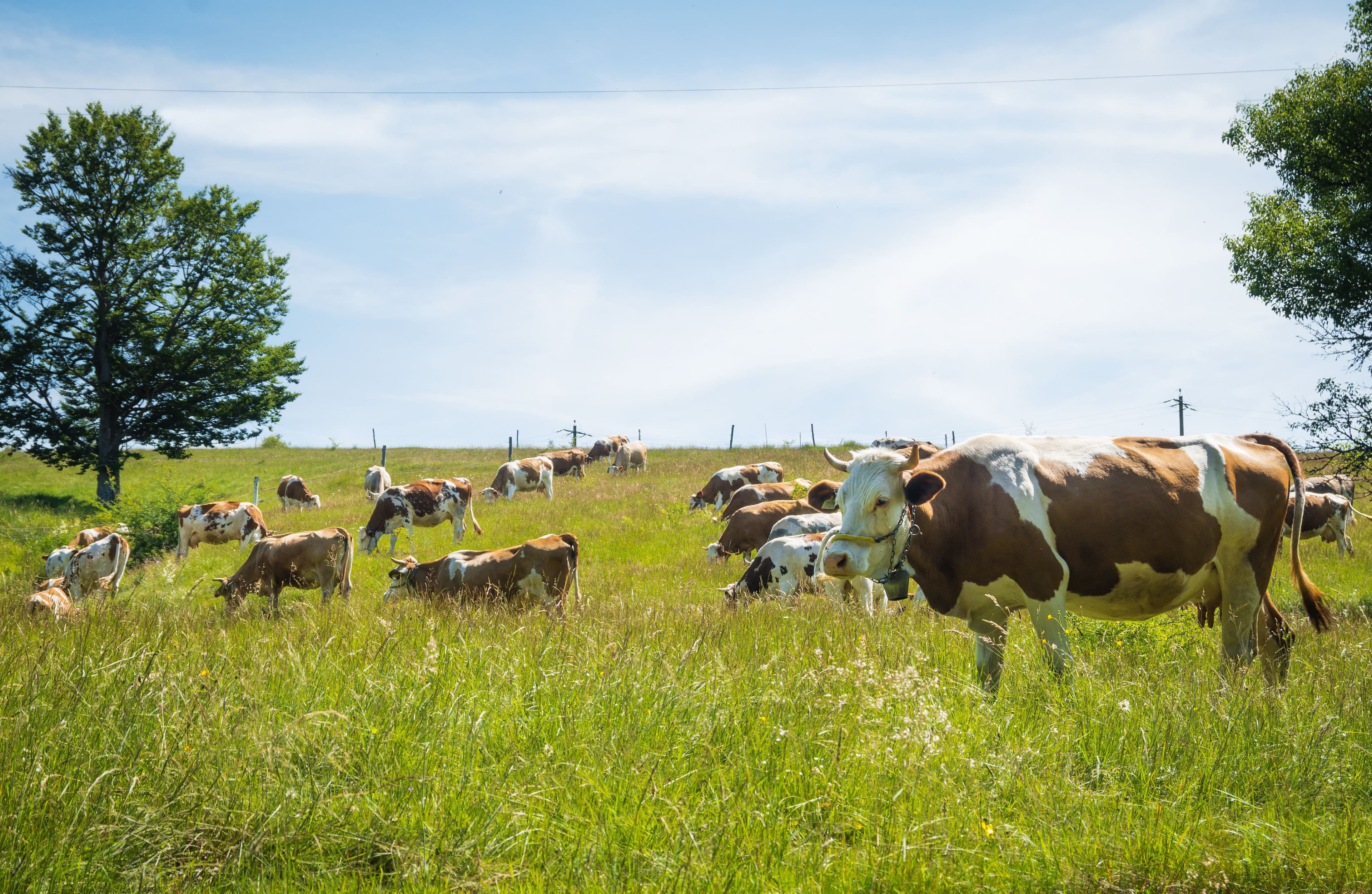
Electric Fence for Horses: How to Choose and Set Up the Right System
Introduction
Choosing the right electric fence for horses requires more attention to visibility, fence height, and installation than many other livestock fencing applications. Horses can move quickly and may panic if they cannot clearly see a fence, so your fencing system needs to be both effective and highly visible. In this guide, you will learn how to choose the right electric fence materials, install them correctly, and maintain a reliable horse fencing system.
1. Why Use an Electric Fence for Horses?
Electric fencing is a practical option for horse owners who need to create paddocks, divide pastures, or manage rotational grazing.
Compared with traditional fencing, an electric fence can be easier to install and modify. You can also change the size of a paddock as your grazing needs change.
The electrical pulse teaches horses to respect the fence rather than relying entirely on a heavy physical barrier. Once horses become familiar with the fence, they generally avoid touching it.
2. Choose a Highly Visible Fence
Visibility is one of the most important factors when choosing an electric fence for horses.
Unlike some livestock, horses can run at high speed and may not notice a thin wire in time. A highly visible conductor gives your horse a clear visual boundary.
Good options include:
- Polyrope
- Polytape
- Wide electric fence tape
For horse paddocks, white or other highly visible colors can make the fence easier to recognize, especially when the fence is installed in a large open pasture.
3. Select the Right Electric Fence Energizer
The electric fence energizer provides the pulse that travels through the fence.
When choosing an energizer, consider the total length of your fence, the number of fence lines, vegetation, and the type of installation.
For a small horse paddock, a compact energizer may be sufficient. Larger pastures or systems with multiple fence lines require an energizer with enough output to maintain effective voltage throughout the entire fence.
Avoid choosing an energizer based only on the maximum fence length shown on the product. Actual performance can also be affected by vegetation, grounding, and fence materials.
4. Choose Polyrope or Polytape for Better Visibility
Polyrope and polytape are popular choices for horse fencing because they are easier to see than thin conductors.
Polyrope provides a combination of visibility, flexibility, and strength. It is suitable for paddocks and longer fence lines where you want a clearly visible boundary.
Polytape has a wider surface area and provides even greater visibility. It can be especially useful for temporary fencing and horse paddocks.
Your choice should depend on fence length, installation conditions, and how frequently you plan to move the fence.
5. Install Strong and Suitable Fence Posts
Fence posts support the conductor and maintain the correct fence height.
For temporary or portable horse fencing, lightweight plastic or fiberglass fence posts are convenient because they are easy to install and relocate.
For permanent paddocks, stronger corner and end posts are important because they need to handle fence tension.
Keep corner posts particularly stable and use suitable insulators to prevent the conductor from contacting the posts.
6. Set the Fence at a Suitable Height
Fence height should be selected according to the size and behavior of your horses.
A horse fence commonly uses two or more electrified lines to create a clear boundary. The lower line helps prevent horses from moving underneath the fence, while the upper line provides a visible barrier for adult horses.
Avoid installing the conductor at a height where a horse could easily place its head, neck, or legs over or through the fence.
If you are fencing foals or smaller horses, you may need to adjust the fence layout accordingly.
7. Install Reliable Insulators
Insulators prevent electrical energy from leaking into fence posts.
Use insulators designed for the type of post and conductor you are installing. Make sure the conductor is held securely and does not rub against the post.
Inspect the insulators regularly for:
- Cracks
- UV damage
- Loose fittings
- Physical damage
- Signs of electrical arcing
Replacing damaged insulators can help maintain stable fence voltage.
8. Build an Effective Grounding System
A good grounding system is essential for any electric fence.
When a horse touches the energized conductor, the electrical circuit needs to return through the ground. Poor grounding can result in weak fence performance even when the energizer itself is working correctly.
Install suitable grounding rods and connect them securely to the energizer. Larger fencing systems may require multiple grounding rods.
Grounding performance should also be checked during dry weather because soil conditions can affect electrical conductivity.
9. Keep the Fence Line Clear
Vegetation is a common source of voltage loss.
Grass, weeds, branches, and other plants can touch the conductor and continuously drain electrical energy from the system.
Inspect the fence line regularly, particularly during periods of rapid plant growth.
Keeping vegetation away from your polyrope or polytape helps maintain fence voltage and reduces unnecessary load on the energizer.
10. Test the Fence Before Introducing Horses
Always test the complete system before allowing horses into a new paddock.
Use a digital fence tester to check voltage at several locations:
- Near the energizer
- In the middle of the fence
- At the furthest point
If the voltage is significantly lower at the end of the fence, check for vegetation, damaged conductors, loose connections, or grounding problems.
Testing the fence first allows you to identify problems before your horses interact with the new boundary.
11. Inspect the Fence Regularly
Horse fencing should be checked regularly because horses can put considerable physical pressure on fence components.
Look for:
- Loose fence posts
- Broken polyrope or polytape
- Damaged insulators
- Loose connections
- Vegetation touching the conductor
- Sagging fence lines
Repairing small problems early can prevent larger failures and help keep your horses safely contained.
Conclusion
A reliable electric fence for horses should combine high visibility, suitable fence materials, a correctly sized energizer, stable fence posts, quality insulators, and an effective grounding system. Polyrope and polytape are particularly useful when visibility is a priority, while regular voltage testing and fence maintenance help keep the system working properly. Lydite Fence provides electric fence energizers, polyrope, polytape, fence posts, insulators, and other fencing components to help horse owners and farmers build practical electric fencing systems.
FAQ
What is the best electric fence for horses?
A highly visible system using polyrope or polytape, combined with a suitable energizer and properly installed fence posts and insulators, is a practical choice for many horse paddocks.
Is electric fence safe for horses?
A properly designed and maintained electric fence can be used for horse management. The fence should be clearly visible, correctly installed, and regularly inspected.
Is polyrope better than wire for horses?
Polyrope is often preferred for horses because it is more visible than thin wire while remaining flexible and easy to install.
How often should I test a horse electric fence?
Check the fence regularly and use a fence tester to confirm that adequate voltage is maintained along the entire fence line.
Can I use polytape for a temporary horse fence?
Yes. Polytape is highly visible and can be a practical option for temporary paddocks, rotational grazing, and other applications where the fence needs to be moved.




Wuxi, China
Zhihui568, Jianghai Western Road
Wuxi, Jiangsu, China
Head Factory
Area A, Shuangmiao Industrial Park, Wutong Road, Huishan District, Wuxi City, Jiangsu Province, China


